















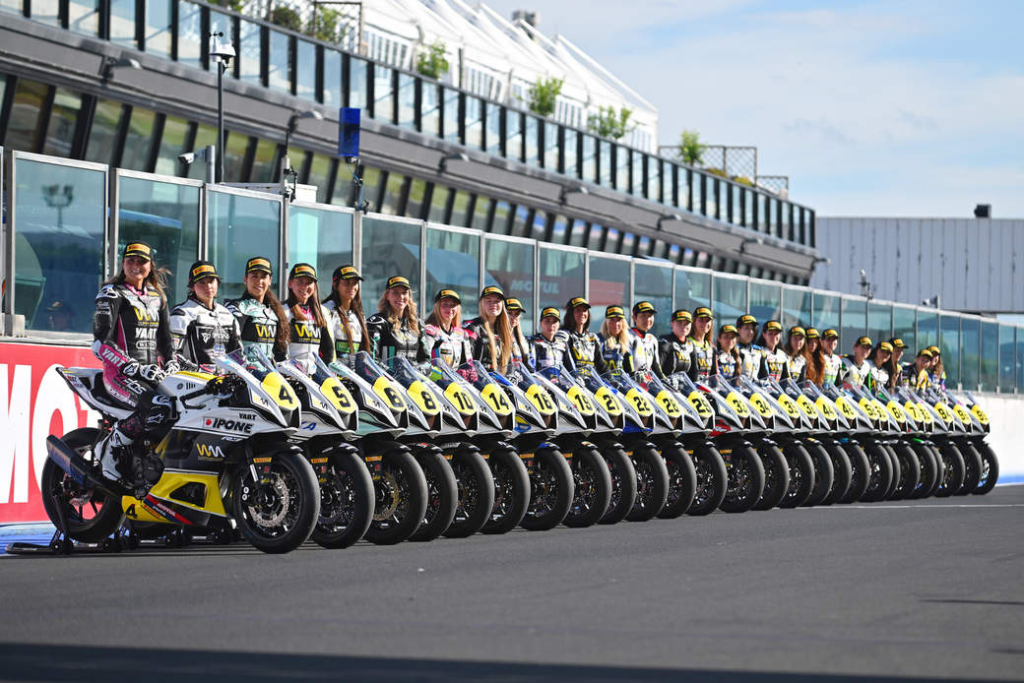
The motorsports world is witnessing a significant shift. It is being fueled by initiatives like the Women in Motorsports North America (WIMNA) “Women with Drive V” Summit and the introduction of competitive series such as the FIM Women’s Circuit Racing World Championship. While progress is undeniable, the journey towards true equality faces entrenched hurdles. The outlook beyond 2025 is one of accelerated action, but only if the industry addresses core issues head-on.

Key Issues Facing Women in Motorsports
Despite increasing participation, women in racing encounter systemic barriers that often derail promising careers. Addressing these challenges is vital for sustained growth.
* The Financial and Sponsorship Gap: Motorsport is prohibitively expensive, and female drivers often struggle to secure the same level of financial backing as their male counterparts. Studies indicate a lower risk appetite among funders for female talent, leading to limited seat time, less track experience, and a much shorter average career span (typically 1-5 years for women vs. 12+ years for men). This lack of funding creates a difficult pipeline, often forcing talented drivers out of the sport prematurely.
* Cultural and Systemic Bias: Sexism remains rooted at both interpersonal and structural levels. Women frequently face stereotypes that question their capability, aggression, or technical expertise, leading to an often-unwelcoming environment. Online harassment and scrutiny of appearance over skill further compound the issue. The sport was historically “not designed with women in mind,” resulting in institutional barriers that require system-wide reform.
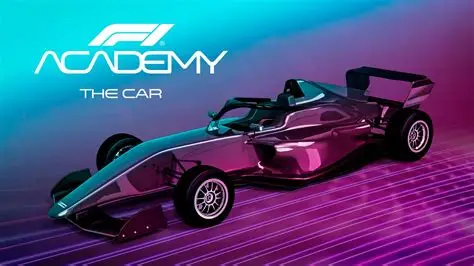
* The Talent Pipeline Challenge: While initiatives like the F1 Academy are creating dedicated pathways, a significant participation and performance gap exists at the grassroots and feeder series levels (like F4 and F3). Women are more likely to drop out at these crucial stages, creating a vicious cycle where fewer women reach top tiers like Formula 1, which in turn reinforces the belief that female drivers lack commercial viability.
What to Expect in 2026 and Beyond
The future of women in motorsports hinges on transforming the pipeline and securing genuine investment. Expect to see the following trends solidify post-2025:
1. Maturation of Dedicated Female Series and Pathways
The success of new series like F1 Academy and the FIM Women’s World Championship will be key. By 2026, the focus will shift from simply providing a platform to ensuring these series deliver genuine career progression into top-tier, mixed-gender championships.
* F1 Academy’s Impact: The series is built as a sustainable development pathway. Success in the years leading up to 2026 will be measured by how many female drivers transition successfully into Formula 3, Formula 2, and eventually, Formula 1.
* Expansion of Development Programs: Organizations like More Than Equal and Women in Motorsports North America (WIMNA) will continue to refine data-led development programs, focusing on closing the performance gap by providing tailored coaching, data analysis, and technical foundations for young women in karting and single-seaters.
2. Increased Industry Diversity & Inclusive Culture
Beyond the cockpit, the push for gender diversity in technical and leadership roles will intensify.
* Equal-Gender Team Concepts: The potential arrival of initiatives like “Formula Equal,” a proposed team aiming for a 50/50 gender split in its workforce for the 2026 F1 season, signals a systemic commitment to inclusivity beyond the driver’s seat.
* The Power of Role Models: Increased visibility of successful female engineers, strategists, and team principals will inspire the next generation, making the dream of a career in motorsports feel more achievable.
3. Greater Commercial Investment in Female Talent
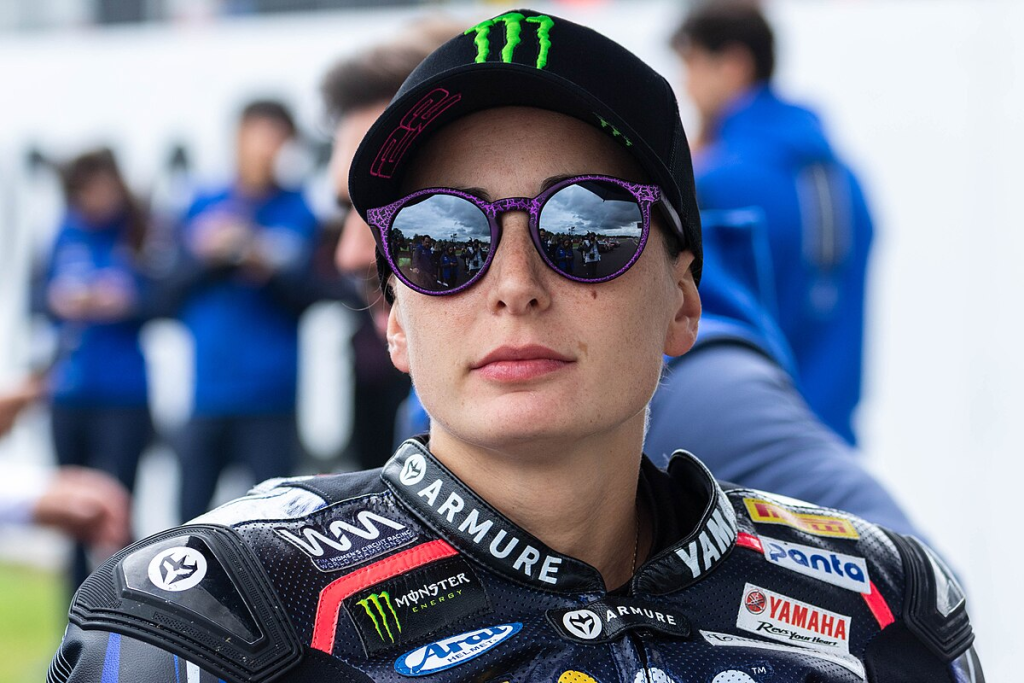
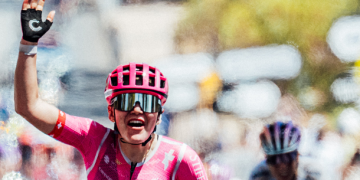
Ana Carrasco 2024 FIM Women’s Circuit Racing World Champion.
As the female sports economy booms, brands will increasingly recognize the untapped commercial value of female racers.
* Strategic Sponsorship: Expect more strategic, long-term partnerships between major global brands and female drivers and teams. This investment will be crucial for providing the necessary financial stability to compete consistently.
* Amplified Media Presence: Increased media representation that focuses on skill and achievement—rather than solely gender—will be vital in challenging stereotypes and growing the fanbase for female competitors.
The race for equality in motorsports is an endurance event, not a sprint. The groundwork laid by summits and new championships will see its true acceleration in 2026, driven by a commitment to equal opportunity, financial backing, and a truly inclusive culture across the entire industry.
MUST READS
Rybakina, becomes the World Number One in 2025
⛷️ Milano Cortina 2026: A Winter Olympics of Gender Equality and High Stakes – Athletica Sports

Viorica Bruni Editor Athletica Sports Web Publication